

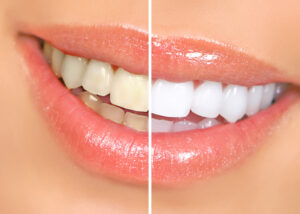
Few cosmetic treatments are as quick and affordable as dental bonding, which uses tooth-colored resin to fix chips, gaps, and discoloration, often in a single visit. But what happens a few years later when you decide you want a brighter smile? Can you whiten bonded teeth? The answer is yes, you can get a whiter smile, but it’s a little more complicated than whitening natural teeth. Here’s what you need to know before you start.
Why Bonding Doesn’t Respond to Whitening
Natural tooth enamel is slightly porous. Over time, it absorbs stains from coffee, tea, red wine, and other foods, and whitening works by letting bleaching agents seep into the enamel to break those stains apart.
Composite resin is different. It’s nonporous, so whitening gels and strips can’t penetrate it, and its color stays the same no matter how much you bleach. Whitening toothpastes and professional polishing may remove some surface stains from bonding, but they won’t change its underlying shade.
The Risk of a Mismatched Smile
Because whitening only affects your natural teeth, the bonded areas can be left behind. If you whiten after getting bonding, your natural teeth may become several shades brighter while the bonded tooth stays put. The result is a mismatch that can make the bonded tooth look darker, dull, or even stained in comparison, which is the opposite of what you were hoping for.
Whiten First, Then Bond
If you haven’t had bonding yet, the best approach is to whiten your teeth first. Once your natural teeth reach the shade you want, your dentist can match the bonding resin to your new, brighter smile. After that, regular brushing, flossing, and occasional touch-up whitening can help your natural teeth stay close to the color of your bonding.
Already Have Bonding? You Still Have Options
If your bonding is already in place, a beautiful, even smile is still within reach. The most common solution is to whiten your natural teeth, then have your dentist replace the old bonding with new resin matched to your whiter shade. This is especially worthwhile if your bonding is around 10 years old or showing signs of wear, since it may be due for replacement anyway.
Another option is a porcelain veneer. These thin, custom-made shells cover the front of the tooth and can be matched to your new shade. Porcelain also resists stains better than composite resin, so it may help your smile stay bright longer.
Whichever route you choose, talk to your dentist before you whiten. They can review your bonding, recommend the right whitening method, and plan the timing so everything matches in the end.
About the Practice
Warwick Dentistry in downtown Pittsburgh is led by husband-and-wife team Dr. Joyce Warwick and Dr. John Warwick. Both are graduates of the University of Pittsburgh School of Dental Medicine with more than 30 years of experience, and both are Fellows of the Las Vegas Institute for Advanced Dental Studies. Each completes over 100 hours of continuing education every year to bring patients the latest in cosmetic and restorative care. If you’re ready for a brighter, more even smile, call (412) 391-1130 or click here to schedule a visit.