

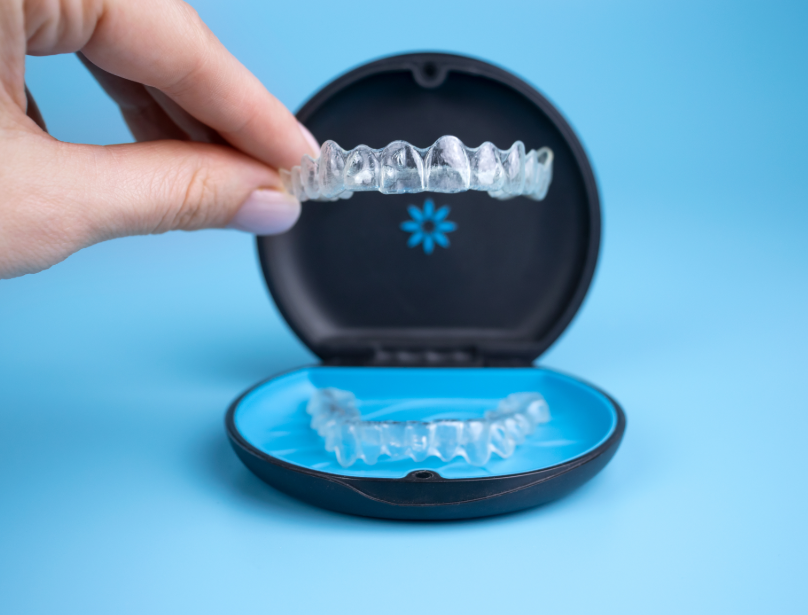
One of the exciting things about Invisalign aligners is that you can watch your smile gradually change throughout treatment. Each new set of aligners is designed to move your teeth a little closer to their planned positions. But what happens when your teeth don’t seem to be keeping up?
If your aligners aren’t fitting the way they should or your teeth don’t appear to be moving according to your treatment plan, you may be experiencing what’s known as a tracking issue. Fortunately, there are several possible reasons this can happen.
You’re Not Wearing Your Aligners Long Enough
Invisalign treatment depends on consistent wear. If you frequently take your aligners out or don’t wear them for the amount of time recommended by your dentist, your teeth may not move according to schedule.
It’s easy to underestimate how quickly missed wear time can add up. Try making your aligners part of your everyday routine and only remove them when necessary, such as when eating, drinking anything other than water, or brushing and flossing.
You’re Moving to the Next Set Too Quickly
Each set of aligners is designed to work as part of a specific treatment sequence. If you move to your next set before your teeth are ready, the new aligners may not fit as closely as expected.
Follow the schedule provided by your dental professional rather than changing aligners based on how your teeth look or feel. If an aligner isn’t fitting properly, check in before moving ahead.
Your Aligners Aren’t Fully Seated
Sometimes an aligner may look like it’s in place when it’s actually sitting slightly away from one or more teeth. This can prevent it from applying the intended pressure.
Your dentist may recommend using aligner seating aids, sometimes called chewies, to help your aligners fit snugly. Never force an aligner into place if you’re having significant difficulty getting it to fit.
Your Teeth May Need More Time
Every smile responds differently to orthodontic treatment. Certain tooth movements can be more difficult or simply take longer than others.
This doesn’t necessarily mean your Invisalign treatment isn’t working. Your dentist monitors your progress throughout treatment and can determine whether your teeth are moving as planned or whether adjustments are needed.
What Should You Do If Your Teeth Aren’t Tracking?
Don’t simply switch to your next aligner and hope the problem works itself out. Contact your dentist if an aligner isn’t fitting properly, feels unusually loose, or no longer seems to match the position of your teeth.
Your dentist can evaluate your progress and determine whether you should continue with your current aligner, return to an earlier set, or make another adjustment to your treatment plan.
Staying in communication with your dental team can help keep your treatment moving in the right direction.
Keep Your Invisalign Treatment on Track
Wearing your aligners consistently and following your treatment schedule can help you stay on course, but don’t panic if your teeth aren’t moving exactly as expected. Tracking issues can happen, and your dentist can help figure out why.
The sooner you address a problem, the easier it may be to get your treatment back on track.
About the Practice
Dr. Joyce Warwick and Dr. John Warwick provide personalized dental care, including Invisalign clear aligner treatment. As a husband-and-wife team, they take the time to understand each patient’s goals and stay current with advances in dentistry to provide individualized care.
Call us at (412) 391-1130 or schedule your appointment online