

We all expect to feel a little older after a rough night of sleep. But what if poor sleep was doing more than making you tired the next day?
Recent research suggests that obstructive sleep apnea (OSA) may do more than disrupt rest—it may actually contribute to faster biological aging. While aging is a natural process, scientists are learning that chronic sleep disruption and reduced oxygen levels may influence how quickly the body ages at a cellular level.
The good news? Researchers also found signs that treatment may help slow that process.
What the Research Says About Sleep Apnea and Aging
Sleep apnea is a condition that causes breathing to repeatedly stop and start during sleep. These interruptions may happen dozens—or even hundreds—of times throughout the night, often without the person realizing it.
Research published through the University of Missouri found that adults with untreated obstructive sleep apnea showed signs of accelerated biological aging compared to people without the condition. Researchers measured something called epigenetic age acceleration, which looks at biological markers associated with how the body ages rather than the number of birthdays you’ve had. Their findings suggested that repeated sleep disruption and drops in oxygen levels contributed to faster aging processes.
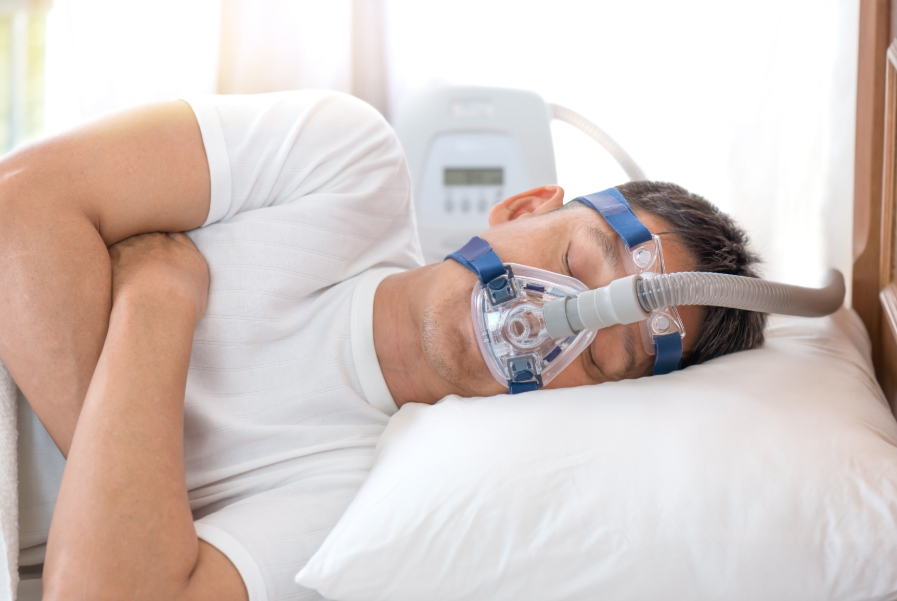
Even more encouraging, the study found that patients who consistently followed treatment with CPAP (continuous positive airway pressure) for one year showed a slowing—and possible partial reversal—of that accelerated aging pattern.
While researchers are still learning exactly how these changes affect long-term outcomes, the findings add to growing evidence that sleep quality plays a bigger role in overall health than many people realize.
Why Sleep Apnea May Affect the Aging Process
Sleep is when the body performs important maintenance tasks. During healthy sleep, tissues repair, hormones regulate, and the body recovers from daily stress.
When sleep apnea repeatedly interrupts breathing, oxygen levels can drop and sleep cycles become fragmented. Over time, this may increase inflammation and create additional stress throughout the body.
That’s one reason untreated sleep apnea has also been associated with other health concerns involving the heart, metabolism, and overall wellness.
Although aging is influenced by many factors, healthy sleep appears to be one of the habits that supports long-term well-being.
How to Recognize Sleep Apnea in Yourself or a Partner
Sleep apnea is surprisingly easy to miss because the symptoms often happen while you’re asleep.
Signs to watch for include:
- Loud or frequent snoring
- Pauses in breathing during sleep
- Gasping or choking overnight
- Waking with a dry mouth
- Morning headaches
- Daytime fatigue even after a full night in bed
- Difficulty concentrating
- Irritability or mood changes
Partners are often the first people to notice interrupted breathing patterns or unusual nighttime behaviors.
If these symptoms sound familiar, it may be worth bringing them up with a healthcare provider or dental professional familiar with sleep-related breathing concerns.
Sleep doesn’t just help you feel rested tomorrow—it may help support your health for years to come.
About the Practice
Dr. Joyce Warwick and Dr. John Warwick provide comprehensive dental care and personalized treatment options designed to support whole-body wellness, including sleep apnea therapy. By helping patients identify and address sleep-related breathing concerns, we aim to improve comfort, rest, and long-term quality of life. Rest easy with Warwick Dentistry!
Call us at (412) 391-1130 or schedule your appointment online.