

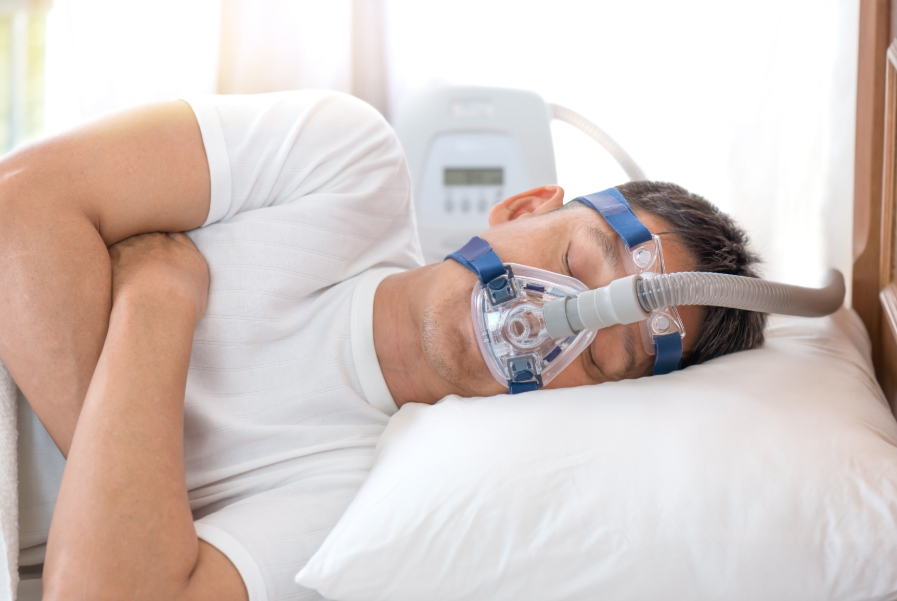
We all expect to feel a little older after a rough night of sleep. But what if poor sleep was doing more than making you tired the next day?
Recent research suggests that obstructive sleep apnea (OSA) may do more than disrupt rest—it may actually contribute to faster biological aging. While aging is a natural process, scientists are learning that chronic sleep disruption and reduced oxygen levels may influence how quickly the body ages at a cellular level.
The good news? Researchers also found signs that treatment may help slow that process.
(more…)